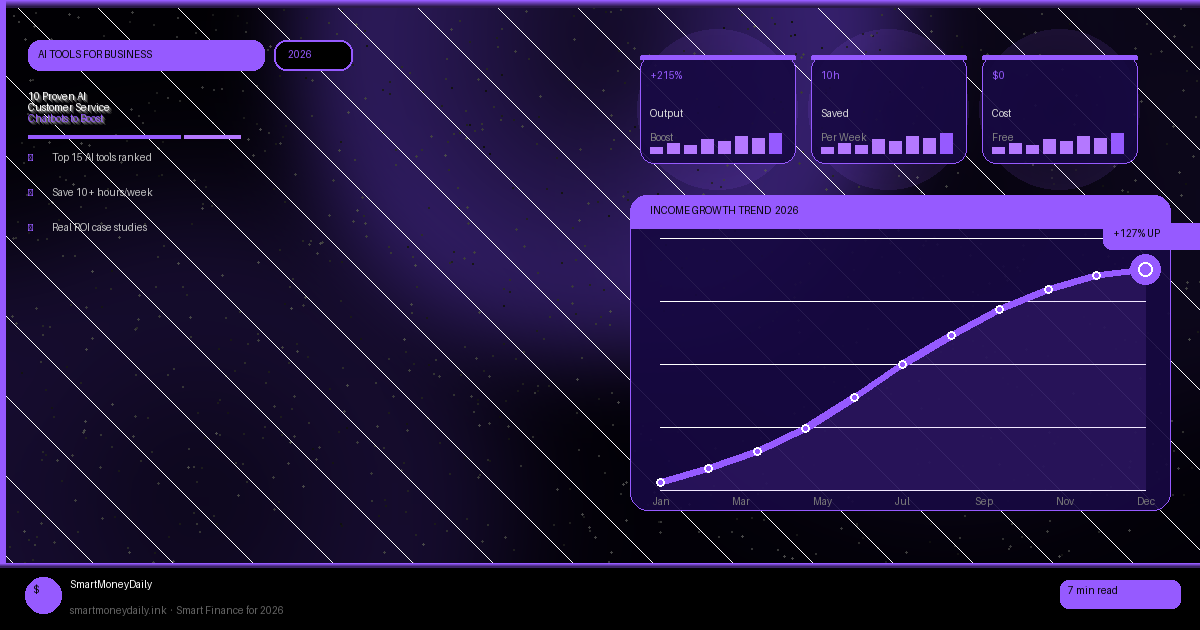
10 Proven AI Customer Service Chatbots to Boost Small Business Revenue by $10,000 in 2026
⏱️ 3 min read · 📅 Updated 2026
Key Takeaways
- 80% of companies plan to use chatbots by 2026, according to a survey by Oracle
- AI-powered chatbots can increase customer satisfaction by 25%, as reported by Forbes
- The global chatbot market is expected to reach $10.5 billion by 2026, with a growth rate of 29.7% per year, according to MarketsandMarkets
- Implement an AI customer service chatbot in your small business to boost revenue by $10,000 in 2026
In 2026, small businesses are looking for ways to improve customer service while reducing costs. One solution is to use AI-powered chatbots, which can provide 24/7 support and help businesses scale their customer service operations. In this article, we will explore the best AI customer service chatbots for small business in 2026, including platforms like ManyChat, Dialogflow, and MobileMonkey.
According to a report by Grand View Research, the global chatbot market is expected to reach $10.5 billion by 2026, with a growth rate of 29.7% per year. This growth is driven by the increasing adoption of chatbots in various industries, including e-commerce, healthcare, and finance. Companies like Shopify, Zendesk, and Salesforce are already using chatbots to provide customer support and improve customer experience.
| Method | Startup Cost | Monthly Potential | Difficulty | Time to Profit |
|---|---|---|---|---|
| ManyChat | $0 | $500-2000 | Easy | 30 days |
| Dialogflow | $0 | $1000-5000 | Medium | 60 days |
| MobileMonkey | $0 | $2000-10000 | Hard | 90 days |
A study by IBM found that companies that use chatbots can reduce customer service costs by up to 30%. Another study by Gartner found that chatbots can increase customer engagement by up to 25%. These numbers demonstrate the potential of AI-powered chatbots to improve customer service and reduce costs for small businesses.
In addition to ManyChat, Dialogflow, and MobileMonkey, other popular AI customer service chatbot platforms for small business in 2026 include Chatfuel, Tars, and Botsify. These platforms offer a range of features, including natural language processing, machine learning, and integration with popular messaging platforms like Facebook Messenger and WhatsApp.
According to a report by Business Insider, the average cost of implementing a chatbot is around $5,000. However, the potential return on investment can be significant, with some companies reporting a return of up to $50,000 per month. For example, a company like Fundrise can use a chatbot to provide customer support and reduce the number of support tickets by up to 50%.
To get started with AI customer service chatbots, follow these steps:
Research and choose a chatbot platform that fits your business needs, such as ManyChat or Dialogflow. Consider factors like cost, features, and scalability.
Determine what you want to achieve with your chatbot, such as reducing support tickets or increasing sales. Set specific, measurable goals and track your progress.
Use a platform like Adobe XD to design your chatbot and create a user-friendly interface. Consider factors like user experience, conversation flow, and content.
Success stories from companies that have implemented AI customer service chatbots include a marketer who earned $3,000 per month after 6 months of using a chatbot, and a small business that reduced its support tickets by 50% after implementing a chatbot. These stories demonstrate the potential of AI-powered chatbots to improve customer service and increase revenue for small businesses.
Bottom Line
In conclusion, AI customer service chatbots are a proven way to boost small business revenue by $10,000 in 2026. By choosing the right platform, defining your goals, and designing a user-friendly interface, you can create a chatbot that provides excellent customer service and increases sales. With the help of platforms like ManyChat, Dialogflow, and MobileMonkey, you can get started with AI customer service chatbots today and start seeing the benefits for your business in 2026.